

Aluminum Conductors: Key Elements in Modern Electrical Systems
Aluminum conductors are widely used in electrical systems around the world due to their cost-effectiveness, lightweight nature, and satisfactory conductivity. While copper has traditionally been the go-to material for electrical wiring, aluminum has emerged as a popular alternative, especially in large-scale industrial and commercial applications. This article explores the properties, advantages, and common uses of aluminum conductors in electrical systems.
What are Aluminum Conductors?
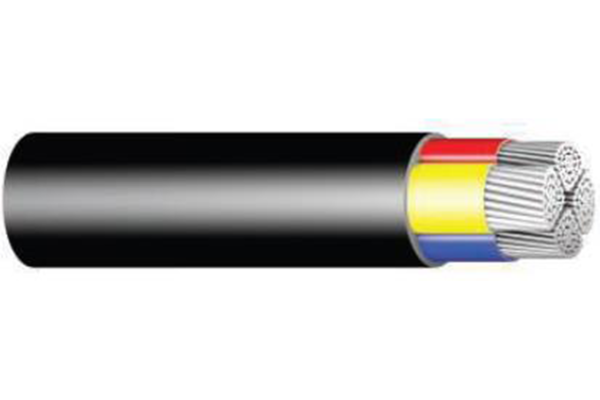
Aluminum conductors are electrical wires or cables made primarily from aluminum, a lightweight, corrosion-resistant metal that offers acceptable electrical conductivity. These conductors can come in various forms, such as solid aluminum wires or stranded aluminum wires, which are composed of multiple smaller aluminum strands twisted together to increase flexibility and strength. Aluminum conductors are primarily used in power transmission and distribution systems, where efficiency and cost-effectiveness are crucial.
Why Aluminum? Key Properties
Aluminum's characteristics make it a desirable material for certain electrical applications. Here are the key properties that make aluminum conductors effective:
-
Good Electrical Conductivity: While aluminum's conductivity is lower than that of copper (approximately 61% of copper's conductivity), it is still sufficient for many electrical applications, especially when the cost of the material is a primary concern.
-
Lightweight: Aluminum is much lighter than copper, making it easier to handle, transport, and install, especially in long-distance power transmission lines where weight can be a significant factor.
-
Corrosion Resistance: Aluminum naturally forms an oxide layer on its surface when exposed to air, which provides a protective barrier against further corrosion. This makes aluminum conductors durable and long-lasting in outdoor environments.
-
Ductility: Aluminum is highly ductile, meaning it can be easily drawn into thin wires or shaped for specific uses, which is beneficial in manufacturing various types of cables.
-
Cost-Effectiveness: Aluminum is more abundant and less expensive than copper, making it a cost-effective option for large-scale applications like power lines and electrical grids.
Advantages of Aluminum Conductors
-
Cost Efficiency: One of the most significant advantages of aluminum conductors over copper is their lower cost. Aluminum is generally more affordable, making it an attractive option for large-scale power distribution networks and projects where budget constraints are a priority.
-
Lightweight: Due to its lower density, aluminum conductors are much lighter than copper. This reduces the structural load on support poles and towers, especially in long-distance power transmission. The reduced weight also helps reduce transportation and installation costs.
-
Sufficient Conductivity: While aluminum has lower conductivity than copper, it can still deliver good performance, particularly when using larger diameter wires. Aluminum is a suitable choice for high-voltage transmission lines, as the reduced weight helps make long-distance transmission more feasible.
-
Corrosion Resistance: Aluminum’s natural oxide coating provides resistance to corrosion, ensuring a longer lifespan, especially in outdoor and humid environments, such as coastal or industrial areas.
-
Ease of Installation: The lighter weight and ductility of aluminum make it easier to handle, install, and maintain compared to copper. This flexibility is a key advantage in large-scale projects.
Applications of Aluminum Conductors
Aluminum conductors are used in a variety of electrical applications, both in power transmission and in residential or commercial wiring. Some key areas of use include:
-
Power Transmission and Distribution: Aluminum conductors are commonly used in high-voltage transmission lines, especially for long-distance power distribution. Their light weight and cost efficiency make them ideal for spanning large distances and powering entire regions.
-
Residential and Commercial Wiring: In certain cases, aluminum is used in residential and commercial wiring, especially for larger gauge wires where its weight and cost benefits are significant. Aluminum wiring is often used in power cables, distribution lines, and large electrical installations.
-
Electricity Grid Infrastructure: In the electrical grid, aluminum conductors are used extensively due to their ability to handle high loads and their ability to reduce construction costs associated with supporting infrastructure.
-
Renewable Energy Systems: Aluminum conductors are also utilized in renewable energy systems, such as solar and wind power installations, where large-scale and cost-effective solutions are needed.
-
Utility and Overhead Lines: Overhead transmission lines that span across long distances often use aluminum conductors due to their combination of good conductivity and light weight, reducing the risk of sagging over time.
Challenges of Aluminum Conductors
Despite their many advantages, aluminum conductors do have some limitations that should be considered:
-
Lower Conductivity: As mentioned, aluminum’s conductivity is about 61% of that of copper, which means that for equivalent power transmission, larger aluminum wires are required. This increases the size of the cables in some applications.
-
Connection Issues: Aluminum can be more prone to issues with connections, especially when it is improperly installed. Aluminum wire connections need to be carefully managed to avoid overheating or creating dangerous electrical faults. Over time, aluminum can expand and contract, which may weaken connections.
-
Mechanical Strength: Aluminum is less mechanically strong than copper, which means it can be more prone to breakage under stress or in environments with frequent vibrations, such as in certain industrial applications.
-
Oxidation at Connections: While the natural oxide layer on aluminum provides corrosion resistance, it can interfere with the electrical connection at joints or terminals. Special care must be taken to ensure that connections are tight and secure, and proper connectors must be used to prevent oxidation from compromising performance.
Environmental Considerations
Aluminum is a highly recyclable material, which makes it an environmentally friendly option for electrical conductors. Recycling aluminum uses only about 5% of the energy required to produce new aluminum, which significantly reduces its environmental impact. Additionally, the natural abundance of aluminum makes it a sustainable resource for the growing demand in the electrical industry.