


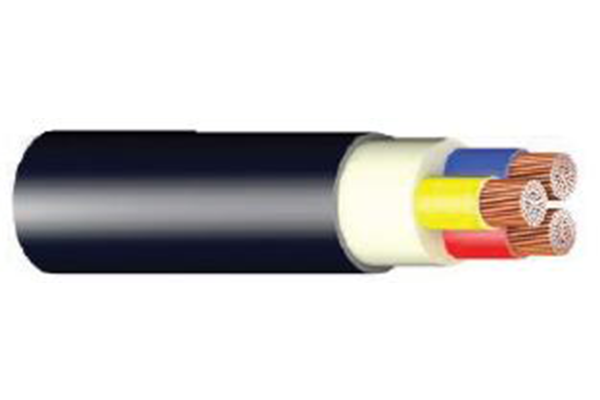
Copper Conductors: Essential Components in Electrical Systems
Copper conductors have been a cornerstone of electrical engineering for centuries, owing to their excellent electrical conductivity, durability, and versatility. Used in a wide range of applications, from household wiring to complex industrial machinery, copper remains one of the most trusted materials in the electrical industry. This article delves into the importance of copper conductors, their properties, advantages, and common uses.
What are Copper Conductors?
Copper conductors are wires or cables made primarily of copper, a metal known for its outstanding ability to conduct electricity. These conductors are integral to electrical circuits, allowing the efficient transfer of electrical current from one point to another. Copper is often used in the form of solid or stranded wires, where solid copper wires consist of a single piece of copper and stranded copper wires are composed of several smaller copper strands twisted together to provide flexibility and strength.
Why Copper? Key Properties
Copper stands out as one of the most efficient materials for conducting electricity, and its properties make it ideal for a wide range of applications:
-
High Electrical Conductivity: Copper has an electrical conductivity of 59.6 x 10^6 S/m at 20°C, making it second only to silver in terms of conductivity. This means copper allows electrical current to pass through with minimal resistance, reducing energy loss and improving overall system efficiency.
-
Ductility: Copper is highly ductile, meaning it can be drawn into thin wires without breaking. This property is essential for manufacturing flexible cables and wires for different electrical systems.
-
Corrosion Resistance: Copper has excellent resistance to corrosion, ensuring that copper conductors maintain their performance over time, even in harsh environmental conditions.
-
Thermal Conductivity: Copper’s ability to efficiently transfer heat makes it ideal for use in electrical systems that need to operate at elevated temperatures.
-
Malleability: Copper can be easily shaped and molded, allowing it to be used in a variety of wire and cable configurations.
Advantages of Copper Conductors
-
Superior Performance: The high conductivity of copper ensures that electrical systems function with minimal energy loss, resulting in more efficient and reliable performance, particularly in high-power applications.
-
Durability: Copper is resistant to rust, corrosion, and wear, which translates into a longer lifespan for copper conductors compared to alternatives like aluminum.
-
Flexibility: Stranded copper conductors, in particular, offer enhanced flexibility, making them ideal for applications where wires must be bent or twisted into tight spaces without compromising on performance.
-
Safety: Copper conductors are less likely to overheat and cause fire hazards compared to less efficient conductors. Their resistance to corrosion also prevents degradation that could lead to dangerous electrical faults.
Applications of Copper Conductors
Copper conductors are used in a vast array of industries and applications, some of which include:
-
Residential Wiring: Copper is commonly used in homes for electrical wiring due to its excellent conductivity and safety features.
-
Commercial and Industrial Wiring: Copper conductors are employed in commercial buildings, factories, and power stations to support large electrical systems that require reliable power distribution.
-
Telecommunications: Copper wires are often used in the telecommunications industry for networking cables, including traditional telephone lines and internet connections.
-
Electric Vehicles (EVs): As the demand for electric vehicles grows, copper’s role in providing power for the motor, battery systems, and charging infrastructure becomes increasingly significant.
-
Power Generation and Distribution: Copper is a key material in power plants and electrical grids where its high conductivity ensures efficient transmission of electricity across long distances.
-
Renewable Energy Systems: In solar, wind, and other renewable energy applications, copper conductors play a vital role in linking power sources to storage units and electrical systems.
Environmental Considerations
While copper is an ideal conductor, the extraction of copper from the earth can have environmental impacts. Mining processes can lead to habitat destruction, pollution, and energy consumption. However, the recyclability of copper helps mitigate some of these concerns. Copper is one of the most recycled metals globally, with recycled copper maintaining nearly the same electrical properties as newly mined copper